
NEXT GEN TECHNOLOGY:
The film industry is experiencing a technological
revolution that's fundamentally changing how stories are told and locations are utilised.
The six key technologies below represent the cutting-edge of environment building for digital filmmaking and virtual production, enabling creators to seamlessly blend physical and digital worlds while reducing costs, environmental impact, and ease-of-production.
From capturing real-world environments with accuracy to creating immersive digital sets that respond in real-time, these tools are empowering filmmakers to push creative boundaries while maintaining authentic connections to place and story.



DIGITAL TWINS
Virtual replicas of physical sets and locations that are created using 3D scanning, photogrammetry, and real-time data capture to mirror their real-world counterparts with high accuracy.
GAUSSIAN SPLATTING
Recreate complex environments that enable seamless camera movement through photorealistic digital sets.
CAMERA PLATES
Static or moving background images captured specifically to be used as reference or foundation elements in VFX compositing.
TECHNOLOGIES IN FOCUS:
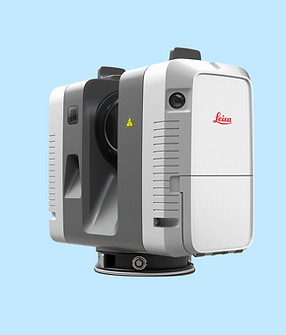
LIDAR SCANNING
Capture precise measurements of locations and sets for virtual production, create detailed digital environments for VFX integration, and enable accurate camera tracking and spatial reference for both pre-visualization and post-production workflows.
GAME ENGINE (UE5)
Powerful real-time 3D game engine that's widely used for film and television production, as well as in the creation of video games and interactive experiences. It provides comprehensive tools for rendering high-quality graphics, physics simulation, animation, and virtual production workflows, allowing creators to build immersive digital worlds and real-time VFX.
VIRTUAL PRODUCTION
Combining real-time computer graphics with live-action footage, Virtual Production uses LED walls to display digital environments that actors can interact with during shooting. This approach allows directors to see final visual effects in real-time on set, reduces reliance on green screens, and creates more realistic lighting and reflections for both actors and camera operators.

